Language is more than just a means of communication, it’s a mirror of how we perceive and treat one another. For the disability community, words carry particular weight. They shape how society views disability, influence personal identity, and can either promote inclusion or perpetuate stigma.
When people use euphemisms in disability language, they often believe they’re being kind or polite. However, these euphemisms can unintentionally obscure the truth, reinforce stereotypes, and strip individuals of their lived experiences. In this discussion, we’ll explore what euphemisms are, why they’re problematic, and how inclusive and respectful language for disability can create a more equitable world.
Understanding what is euphemism language and how it affects people with disabilities is the first step toward dismantling linguistic barriers that hinder inclusion.
The Problem with Euphemisms
Euphemisms are words or phrases used to soften uncomfortable truths. In disability discourse, they often appear as attempts to avoid saying “disabled” or “disability.” While the intent may be positive, the result can be harmful.
Disguising Reality
Phrases like “differently abled,” “special needs,” or “intellectually challenged” may sound gentle, but they disguise the truth. Avoiding the term “disability” sends the implicit message that being disabled is shameful or undesirable. This linguistic avoidance perpetuates disability microaggressions, where even well-meaning language contributes to stigma.
In fact, many disability advocates argue that special needs is not politically correct anymore. It suggests that a person’s requirements are “extra” rather than equal. The question “Can you say special needs?” has become increasingly common and the answer, according to most experts, is no. It’s better to say “person with a disability” or “disabled person,” depending on individual preference.
Minimizing Experience
Euphemisms like “handicapable” or “challenged” attempt to minimize the lived experience of disability. They imply that disability is just a minor difference rather than a social and physical reality that can involve barriers and discrimination. This avoidance may stem from discomfort, but it ultimately denies the truth of disabled people’s lives.
By softening or replacing the word “disability,” we fail to confront how society excludes and marginalizes people. Recognizing the word “disability” directly is a powerful act of acceptance.
Examples of Harmful Euphemisms
To understand why euphemisms to avoid in disability discussions matter, let’s look at some common examples and why they’re problematic.
“Special Needs”
This phrase has long been used as a supposedly polite way to talk about disabilities. However, it creates unnecessary distance. People with disabilities don’t have “special” needs, they have human rights. The term can infantilize adults and obscure the need for systemic inclusion rather than special treatment. That’s why, when people ask, “Is special needs politically correct?” The answer is no, it’s an outdated disability euphemism that should be replaced with more inclusive language for disabilities.
“Confined to a Wheelchair”
This common expression implies restriction, yet for many, a wheelchair represents independence and freedom. Saying someone “uses a wheelchair” is both accurate and empowering. It acknowledges the tool as an aid rather than a limitation.
“Handicapable” or “Differently Abled”
While these terms were once popular, they often come across as patronizing. They imply that disabled people must prove they’re capable or that their differences need to be framed positively to be accepted. This perspective diminishes the value of authentic lived experiences.
Using offensive disability euphemisms, even unintentionally can alienate people and reinforce stereotypes. The key is to use clear, direct, and human-centered language.
The Power of Person-First Language
One of the strongest antidotes to euphemistic and demeaning phrasing is person-first language. This approach puts the individual before their disability, emphasizing humanity over labels.
For instance, saying “a person with a disability” rather than “a disabled person” can make a big difference. It signals that disability is one aspect of identity, not its entirety. This shift fosters respectful language for disability and promotes dignity.
However, it’s essential to recognize that not everyone agrees. Many within the disability community prefer identity-first language (“autistic person,” “blind person”) because it reflects pride in that identity. What matters most is listening to individuals’ preferences.
Using person-first or identity-first language consciously helps combat the offensive disability euphemisms that have historically marginalized people.
Advocating for Inclusive Language
Creating a culture of inclusion means taking responsibility for how we speak. Language shapes perception and perception influences policy, access, and equality.
Be Mindful and Open
Ask yourself: does the term I’m using affirm a person’s dignity? Does it reflect equality or avoidance? Being open to correction and continuous learning from the disability community is vital.
Educate and Encourage Others
Talk about why you should avoid using euphemisms to describe disability. Explain how words like “special needs” or “differently abled” might seem polite but actually reinforce exclusion. Sharing this awareness within your workplace, classroom, or community can spark meaningful change.
Engage with Media and Institutions
Encourage media outlets, educators, and organizations to model inclusive language for disabilities. Representation matters, accurate language fosters understanding and respect across society.
Building Awareness: Why Euphemisms Matter
Using euphemisms in disability contexts might seem harmless, but they have long-lasting effects. They can distort public perception, minimize the challenges people face, and perpetuate the idea that disability is something to hide or sugarcoat. Recognizing and removing disability euphemisms is essential for genuine inclusion.
When we use euphemism to obscure rather than clarify, we do a disservice to those whose stories deserve honesty and respect.
Conclusion: Embracing Honest and Respectful Language
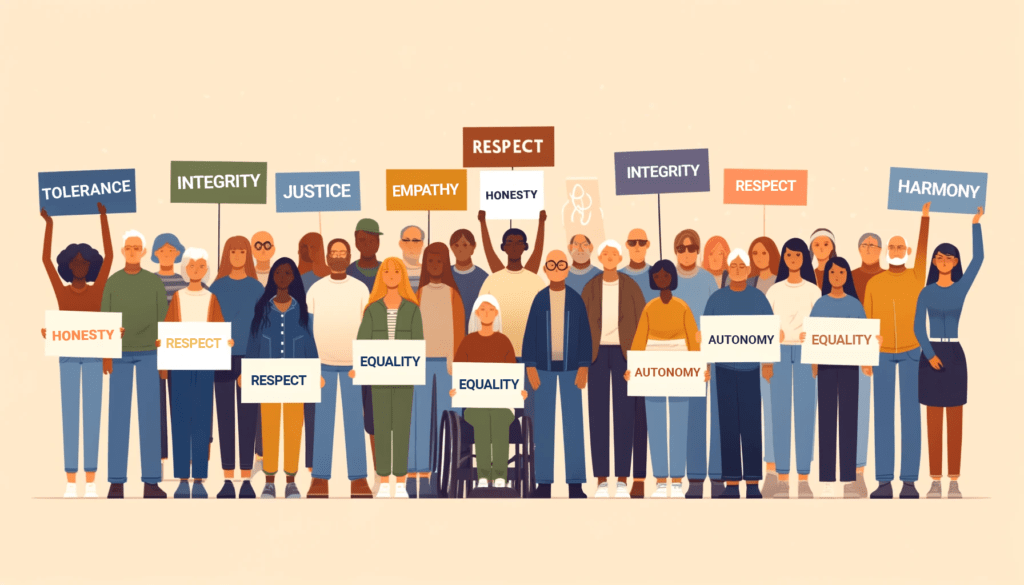
The words we choose reflect how we view equality, dignity, and humanity. Rejecting euphemisms in disability language is not about policing speech, it’s about creating an environment where all people feel seen and respected.
By adopting inclusive language for disabilities, listening to individual preferences, and avoiding outdated terms like “special needs” or “handicapable,” we move closer to true equity. This isn’t merely about being politically correct, it’s about affirming the worth of every person.
Language can either reinforce stigma or challenge it. When we speak with awareness and empathy, we help shape a world that recognizes disability not as a limitation, but as part of the vibrant spectrum of human diversity.
FAQs
What is an example of a disabled euphemism?
“Special needs” or “differently abled” are common euphemisms that many now see as outdated or condescending.
What words are associated with disability?
Words like “disabled,” “disability,” “accessibility,” and “barrier” are commonly used in respectful, accurate discussions of disability.
What words should you avoid when talking about disability?
Avoid euphemisms like “handicapable,” “mentally challenged,” and “confined to a wheelchair.” They can minimize or misrepresent real experiences.
Why should you avoid using euphemisms to describe disability?
They often reinforce stigma, obscure reality, and can come across as patronizing or dismissive rather than empowering.
How do you say mentally challenged in a nice way?
The respectful alternative is “person with an intellectual disability.” It’s direct, accurate, and free of judgment.
What is the new term for people with disabilities?
There’s no single “new” term. “Person with a disability” or “disabled person” are both widely accepted, depending on the individual’s preference.